Lent: The Fast Love Chooses
Click here for the readings for - Lent: The Fast Love ChoosesLent: The Fast Love Chooses
Lent begins with a provocation. The prophet cries out like a trumpet; the psalmist pleads from a wounded conscience; Jesus reframes fasting with the startling image of a wedding. What emerges is not a season for spiritual cosmetics but for returning to first love; God’s own heart for the poor, the oppressed, and the sinner who dares to be honest.
The Fast God Chooses
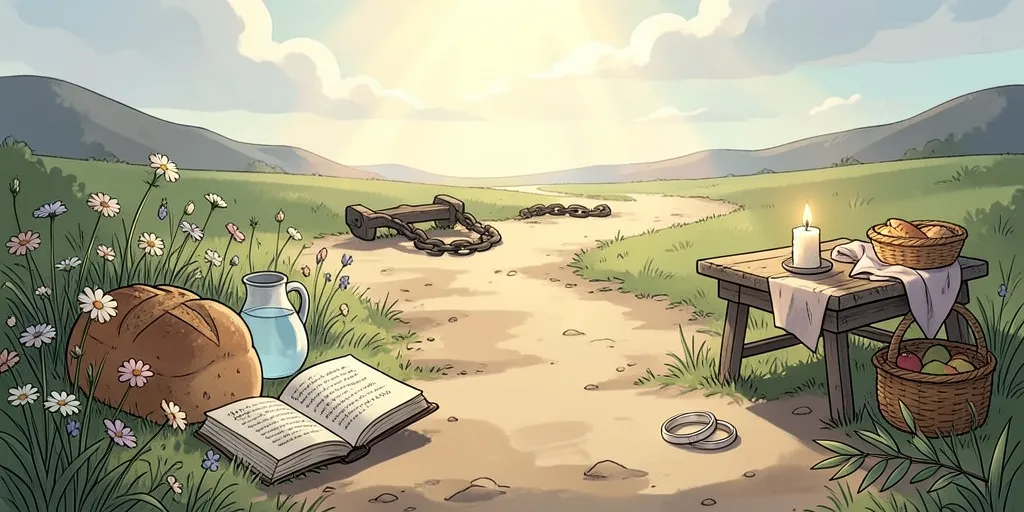
Isaiah exposes a disconnect that is as modern as it is ancient: people seeking God while simultaneously advancing self-interest, even mistreating others. “Is this the manner of fasting I wish?” the Lord asks, then answers with a vision of mercy: “releasing those bound unjustly,” “sharing your bread with the hungry,” and “not turning your back on your own.”
It is tempting to make Lent a private project; more discipline, better routines, a cleaner conscience. But Isaiah reminds us that God does not want a privatized holiness. The fast God desires interrupts the cycles of exploitation that are convenient for us. It changes how we speak to a cashier under pressure, how we manage a team, how we click “add to cart,” how we vote, and how we spend our evenings. It is beautifully personal and relentlessly public.
The Hidden Yokes We Wear; and Tie
Many in our time feel yoked; by debt, anxiety, impossible housing costs, family burdens, or the ceaseless pressure to perform. At the same time, we may unwittingly add yokes to others: we expect 24/7 responsiveness, we underpay invisible labor, we join online pile-ons, we shrug at unfair policies because they benefit us.
Lent asks hard questions:
- Whose back bears the cost of my convenience?
- Which subscriptions, purchases, or habits rely on someone else’s exhaustion?
- Where do my words worsen another’s loneliness?
Breaking yokes is not abstract. It can look like paying workers a just wage, tipping generously, advocating for fair schedules, choosing sustainable products, standing beside the person everyone avoids, or creating margin in our routines to be interruptible by the needs right in front of us. This is not charity as hobby; it is worship.
A Heart That Finally Tells the Truth
Psalm 51 is the breath of someone who has run out of excuses: “A heart contrite and humbled, O God, you will not spurn.” Contrition is not self-loathing; it is consenting to reality before God. It is the quiet courage to call our sin “sin” instead of “stress,” “strategy,” or “just the way things are.” In a culture of image management, remorse can feel like failure. Scripture calls it an opening; where light enters wounds, where truth is no longer an accusation but a path home.
For some, Lent can accidentally feed perfectionism: we pick severe penances, then spiral when we “fail.” The psalm instructs otherwise. God does not prize burnt offerings of flawless performance. He wants the heart turned toward Him, honestly, again and again. If your life holds illness, pregnancy, recovery, or mental health struggles, fasting from food may be unwise or impossible. The fast God chooses is not a test of toughness. It is love reshaping your habits. There are many ways to fast: from resentment, from doomscrolling, from sarcasm that wounds, from purchases that hide a cost another person pays.
The Bridegroom’s Joy and the World’s Ache
Jesus answers a question about fasting with a wedding: “Can the wedding guests mourn as long as the bridegroom is with them?” His point cuts two ways. First, the Christian life is not primarily a funeral procession; it is a friendship with the Bridegroom. Fasting without joy misrepresents the Gospel. Second, the Bridegroom is “taken away,” and in that ache; the Church’s longings, the world’s wounds; we fast. We live between Eucharistic presence and global absence: Christ is truly with us, and yet children are hungry, wars continue, marriages fracture, faith wavers. We fast because love notices what is missing and refuses to be numb.
Mature fasting therefore holds two notes at once: gratitude for the Bridegroom’s nearness and grief for what is not yet healed. It is the music of hope.
Practices for a True Fast
To move from performance to transformation, consider integrating one practice from each sphere; prayer, mercy, and justice; anchored in today’s readings.
-
Prayer: Pray Psalm 51 slowly each day. Linger over a single line; “A heart contrite and humbled”; and let it name your day’s posture. End by making a simple, specific confession to God and asking for one concrete grace.
-
Mercy: “Sharing your bread with the hungry” can be literal. Keep small, ready-to-give items in your bag: gift cards to a local grocer, transit passes, or hygiene kits. Learn the names of those you help when possible; receive their dignity as a gift to you.
-
Justice: Identify one “yoke” in your sphere of influence. If you supervise others, adjust expectations to protect rest. If you hire, pay justly and transparently. If you are a student, advocate for classmates who lack access or accommodation. Write one letter or make one call this week to support policies that protect the vulnerable.
-
Speech: Fast from the “wicked claw” of quarrelsome words. Before posting or replying, ask: Will this heal or harden? Replace one daily complaint with intercession for the person involved.
-
Time: Create a weekly Sabbath hour with no screens. Use it to be present; to God in silence, to a child on the floor, to a neighbor on the porch. Presence is love’s first gift.
-
Consumption: Choose one regular purchase and investigate its supply chain. If it binds another with a hidden yoke, seek an alternative or reduce usage. Let love be curious and consistent, not scrupulous or panicked.
When We Cry, “Here I Am”
Isaiah promises that when love becomes our fast, “your light shall break forth like the dawn,” and when we call, God will say, “Here I am.” The order matters. We do not bargain with God by doing good. We allow God’s mercy to rearrange our loves, and then we discover He was here all along; before our plans, beyond our failures, underneath our shame.
Perhaps Lent this year is less about proving resolve and more about consenting to be converted by Love. The Bridegroom does not scowl at our slow steps. He invites us into His own fast: a self-gift that liberates. Where we have bound, let us untie. Where we have turned away, let us turn toward. And where we have spoken death, let us speak life.
May the God who does not spurn a contrite heart teach us the only fast that endures: to love as we have been loved, until dawn breaks, and every yoke is shattered.