Mercy Over Scorekeeping in Lent
Click here for the readings for - Mercy Over Scorekeeping in LentMercy Over Scorekeeping in Lent
Lent brings us to the uneasy edge where God’s mercy meets our sense of fairness. Ezekiel insists that the wicked who turn back “shall surely live,” while the once-virtuous who betray justice face the real consequences of their turn. Jesus then intensifies the law by moving the battlefield from behavior to the heart: anger, contempt, and unreconciled relationships put us at odds with the Kingdom long before anything makes headlines. Psalm 130 teaches us how to stand in that tension: not by flawless performance, but by crying “out of the depths” to the One whose forgiveness makes awe possible.
God’s Fairness Is Mercy
“Is it my way that is unfair, or rather, are not your ways unfair?” In Ezekiel 18, God reveals a logic that scandalizes our inner scorekeeper. Divine justice is not the cold balance of a ledger; it is the warm insistence that a person is more than their worst act; and more than their best yesterday. The decisive word is not tally but turn. “None of the crimes he committed shall be remembered” if he turns. Likewise, past virtue does not excuse present injustice.
This is not moral whiplash; it is moral realism. The human heart moves. Choices have momentum. God, who takes no pleasure in anyone’s ruin, invites a living relationship in which repentance really reconfigures our future and hardening really imperils it. Lent is precisely this summons: “Make for yourselves a new heart and a new spirit” (Ez 18:31). We are not trapped in an identity derived from our history; grace makes a future.
Surpassing Righteousness: From Rule-Keeping to Heart-Keeping
Jesus does not abolish the commandment against murder; he unveils its roots. Anger is not neutral. Contempt; “Raqa,” “You fool”; is the corrosion of the image of God in another and, soon enough, in ourselves. It is the inner violence that prepares the way for outer harm. The righteousness that surpasses that of the scribes and Pharisees is not a higher test score; it is a transformed interior where the seeds of violence are uprooted before they sprout.
This cuts close to home in an age of quick takes and perpetual outrage. Sarcasm is rewarded; derision travels farther than charity. Many live with simmering anger; over betrayal, injustice, exhaustion, fear; while still trying to pray, parent, work, and worship. Jesus is not trivializing your wounds; he is protecting your heart. He wants to free us from the slow-burning fire that turns the soul into a furnace and the world into kindling.
First Be Reconciled
“Leave your gift at the altar… go first and be reconciled.” Worship cannot be a sanctuary for unreconciled contempt. Jesus prioritizes the mending of relationships over the performance of piety. This does not mean swallowing abuse or erasing healthy boundaries. Forgiveness and reconciliation are related but not identical: forgiveness releases the right to revenge; reconciliation restores trust when safety and truth make it possible. Yet in every case Jesus calls us to move, to take the first step that belongs to us; an apology we owe, a debt we can settle, a story we have told about someone that needs correction.
For some, this means a courageous conversation; for others, a letter that will never be sent but frees the heart; for still others, a firm boundary given without hatred. The point is to stop rehearsing the grievance as if it were prayer. Bring it to God; then, as far as depends on you, seek peace.
The Prison of Resentment and the Last Penny
“Settle with your opponent quickly… or you will be thrown into prison… until you have paid the last penny.” There is a legal image here, but it is also spiritual. Unresolved enmity locks us up. We pay for contempt with sleep, with joy, with community, with our capacity to recognize grace. The last penny is the costly attention we keep feeding to old injuries. Lent asks: what would it cost to start paying that energy toward reconciliation and renewal instead?
Out of the Depths: Honest Hope
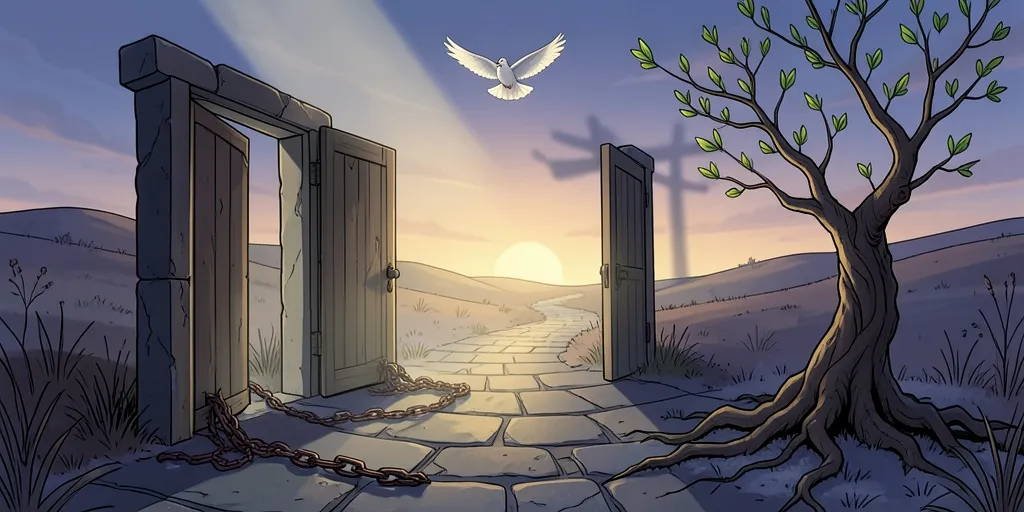
“If you, O Lord, mark iniquities, who can stand?” Psalm 130 refuses denial. We do not climb to God with clean hands of our own making; we are lifted by mercy. Notice the order: forgiveness leads to reverence. Awe is not fear of punishment; it is wonder before a Love that refuses to keep score once we turn. This is hope for the ashamed and the angry alike. We wait for the Lord “more than sentinels wait for the dawn”; not because the night is unreal, but because dawn is certain.
A Lent for a New Heart: Concrete Practices
- A daily examen for anger: Ask each evening, Where did contempt show up in my words or thoughts? What truth or fear sat beneath it? Surrender it to Christ.
- A pause practice: When provoked, breathe the Jesus Prayer once before replying. Many fires die for lack of oxygen.
- Make one amends: Identify one relationship you can responsibly repair. Apologize without self-justification. Accept the other’s pace.
- Fast from contempt: For one week, abstain from name-calling, eye-rolling dismissals, and dehumanizing labels; especially online. Replace them with one sentence of sincere goodwill.
- Confession as courage: Bring anger, grudges, and failures to the Sacrament of Reconciliation. Let mercy unstick what willpower cannot.
- Intercessory antidote: Pray each day by name for someone who provokes you. Ask for the grace you would want God to give you if the roles were reversed.
In the Company of Saint Gregory of Narek (Optional Memorial)
Today some also remember Saint Gregory of Narek (c. 950–1003), an Armenian monk and Doctor of the Church whose Book of Lamentations is a long prayer from the depths. Gregory teaches us to name our sins without despair and to lean, like the psalmist, on the God whose kindness is redemption. He called sin an illness and Christ the medicine, and he begged not for excuses but for healing. His voice, rising from a people acquainted with suffering, reminds us that contrition is not self-hatred but the opening of the heart to a Physician who delights to cure.
The Way Through
Ezekiel and Jesus converge on a single path: turn and live. That path runs straight through the inner world; through honest sorrow, a refusal of contempt, and the hard, hopeful work of reconciliation. This is the righteousness that surpasses: not sinlessness, but surrenderedness; not pride in our record, but faith in God’s mercy and a willingness to extend it. If we take even one real step today, we will find that the dawn has already begun to break.